How to Extend the Lifespan of Your Dental Equipment and Avoid Costly Replacements
- November 16, 2026 - 4 min read
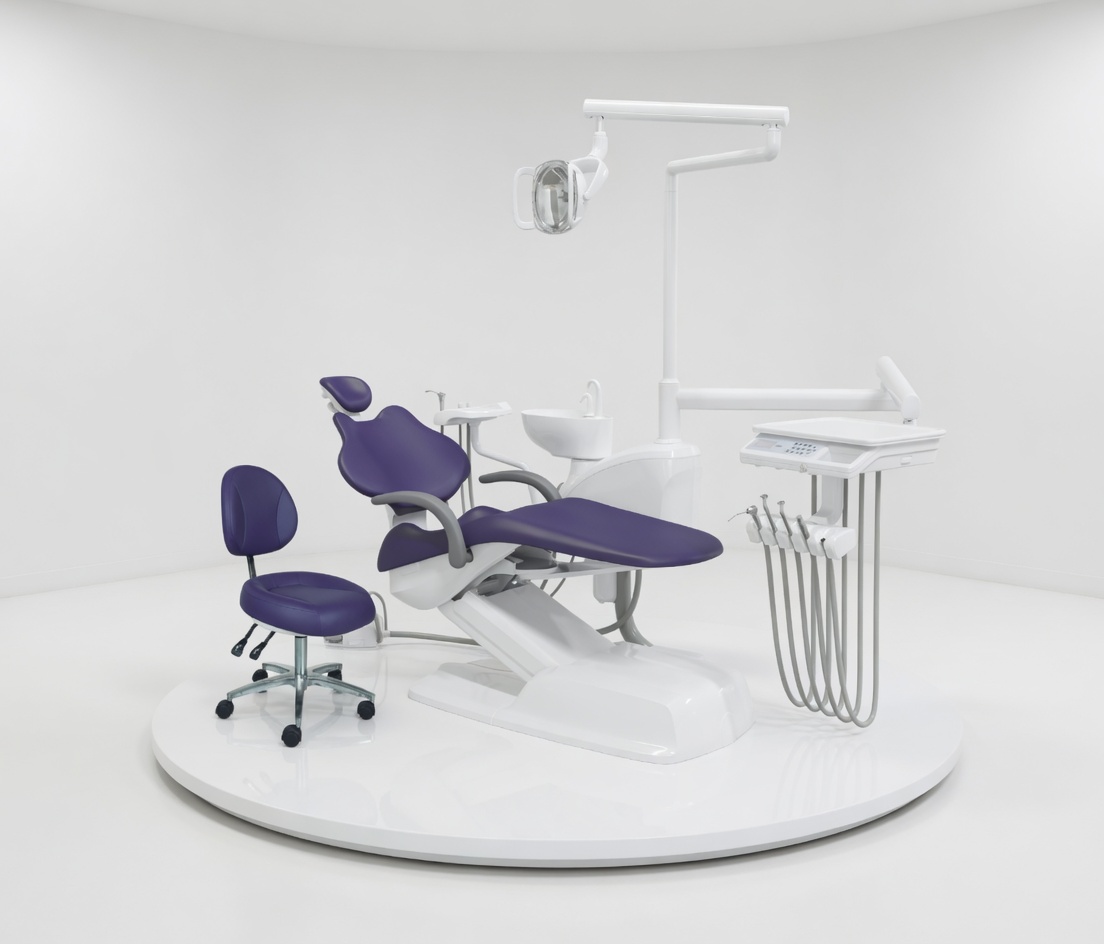
Investing in dental equipment is a significant commitment for any dental practice. From dental chairs and suction systems to compressors and handpieces, these essential pieces of equipment support daily clinical operations.
With the right care and maintenance, dental practices can help protect their investment, reduce avoidable breakdowns and maximise the useful life of their equipment.
However, extending equipment lifespan isn't simply about keeping machines running for as long as possible. It's about maintaining reliable performance, identifying problems early and knowing when professional servicing or replacement is necessary.
Here are some practical ways dental practices can look after their equipment and potentially avoid unnecessary replacement costs.
1. Prioritise Preventative Dental Equipment Maintenance
One of the most effective ways to support equipment longevity is through regular preventative maintenance.
Waiting until equipment breaks down can lead to unexpected downtime, disrupted appointments and potentially more extensive repairs.
A planned maintenance programme allows qualified dental engineers to assess equipment condition and identify components that may require attention.
Preventative maintenance can help practices:
Identify signs of wear before they cause equipment failure.
Reduce the risk of unexpected breakdowns.
Maintain consistent equipment performance.
Plan servicing around clinical schedules.
Make more informed decisions about repairs and replacements.
Maintenance requirements differ between manufacturers and equipment types, so practices should always follow the relevant recommendations.
2. Follow Manufacturer Cleaning and Maintenance Guidelines
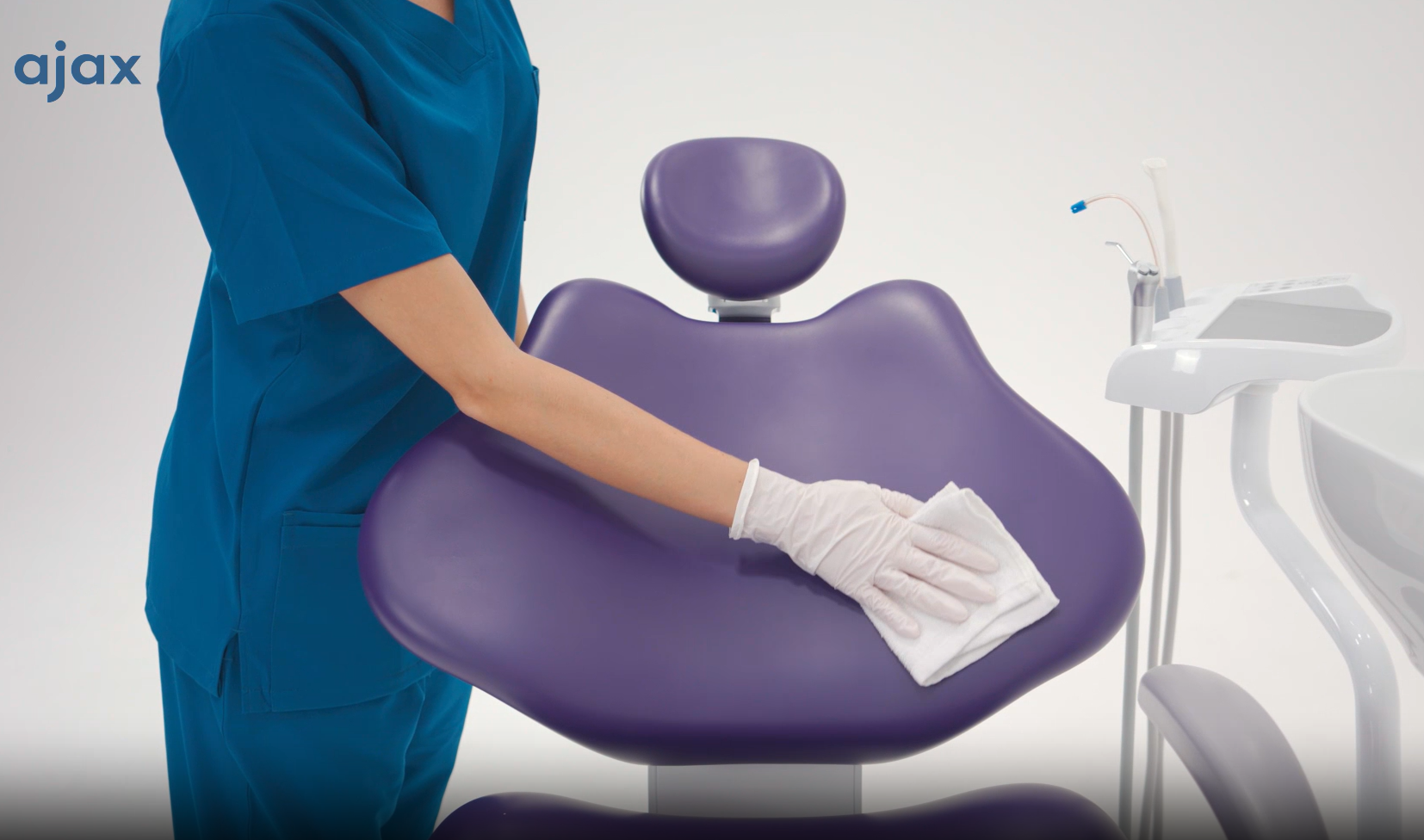
Correct cleaning and routine care are important for maintaining dental equipment.
However, different equipment types require different procedures.
Dental handpieces, suction systems, treatment chairs and compressors should all be maintained according to their specific manufacturer instructions.
Using unsuitable cleaning products, incorrect maintenance techniques or incompatible accessories can cause damage.
Practice teams should ensure that staff responsible for routine equipment care receive appropriate training.
Following approved procedures helps protect equipment while supporting the practice's infection prevention and safety responsibilities.
3. Recognise the Early Signs of Equipment Wear
Equipment rarely develops every fault without warning.
Sometimes the first indication is a subtle change in performance.
For example:
A dental chair may begin responding more slowly.
A suction system may become less powerful.
A compressor may produce unfamiliar noises.
A handpiece may develop unusual vibration.
Equipment may begin experiencing intermittent faults.
Recognising these changes early allows practices to arrange professional attention before performance deteriorates further.
Staff should be encouraged to report equipment concerns promptly rather than waiting for a complete breakdown.
4. Keep Accurate Equipment Service Records
Maintaining a record of servicing, repairs and equipment faults is an important part of effective practice management.
Service records can help dental engineers understand the history of a particular piece of equipment and identify recurring issues.
They can also support decisions about future maintenance expenditure.
Useful information to record includes the date of servicing, reported faults, work completed and any recommendations made by the engineer.
A well-maintained service history can make equipment management more organised and help practices plan ahead.
5. Use Appropriate Replacement Parts
When dental equipment requires a replacement component, compatibility matters.
Dental equipment can vary considerably between manufacturers and models, and parts that look similar may not necessarily be interchangeable.
Using unsuitable components can affect reliability, performance or safety.
Qualified dental engineers have the knowledge needed to assess equipment specifications and identify appropriate replacement parts.
At Dental Warehouse, we focus on supplying the professional dental engineering trade with specialist equipment and components.
Supporting engineers with access to relevant parts is an important part of helping practices maintain their existing equipment.
6. Avoid Delaying Necessary Repairs
A small equipment problem can sometimes become more serious if it is ignored.
For example, unusual vibration or inconsistent performance may indicate that a component requires attention.
Continuing to operate faulty equipment can potentially lead to further damage and may introduce safety concerns.
Where equipment is suspected to be unsafe, it should be taken out of use in accordance with the practice's procedures until it has been appropriately assessed.
Prompt professional attention can help establish whether a repair is practical or whether replacement is the better option.
7. Know When Equipment Should Be Replaced
Extending equipment lifespan does not mean keeping outdated or unreliable equipment indefinitely.
There comes a point when replacement may be more appropriate than continued repair.
Factors to consider include:
The age and overall condition of the equipment.
The frequency of breakdowns.
The availability of compatible replacement parts.
The cost of ongoing repairs.
Manufacturer support and safety requirements.
The equipment's suitability for the practice's needs.
A qualified dental engineer can help assess the technical condition of the equipment and advise on the available options.
How Dental Warehouse Supports Equipment Longevity
Dental engineers play an important role in helping practices maintain equipment and make informed repair decisions.
At Dental Warehouse, our focus is on supporting these professionals with specialist dental engineering supplies and replacement parts.
We understand that maintaining existing equipment can be an important consideration for dental practices seeking to manage costs and minimise disruption.
By supporting the engineers responsible for servicing dental equipment, we help contribute to the wider maintenance and repair process.
Protect Your Equipment Investment
Dental equipment represents a significant investment, and looking after it should be part of every practice's long-term planning.
Regular servicing, appropriate daily care and early fault identification can all help support equipment reliability and useful lifespan.
For dental practices, the key is to take a proactive approach and work with qualified professionals whenever technical maintenance or repairs are required.
Are you a dental engineer sourcing equipment parts?
Explore the specialist product range at Dental Warehouse.
Are you a dental practice looking to purchase dental products online?
Visit iDentalOnline to explore the online ordering range.

Share on Facebook

Share on X

Share on Pinterest
Comment(s)
Recent Posts