Dental Suction Problems: How to Spot Issues Before They Disrupt Your Practice
- November 16, 2026 - 4 min read
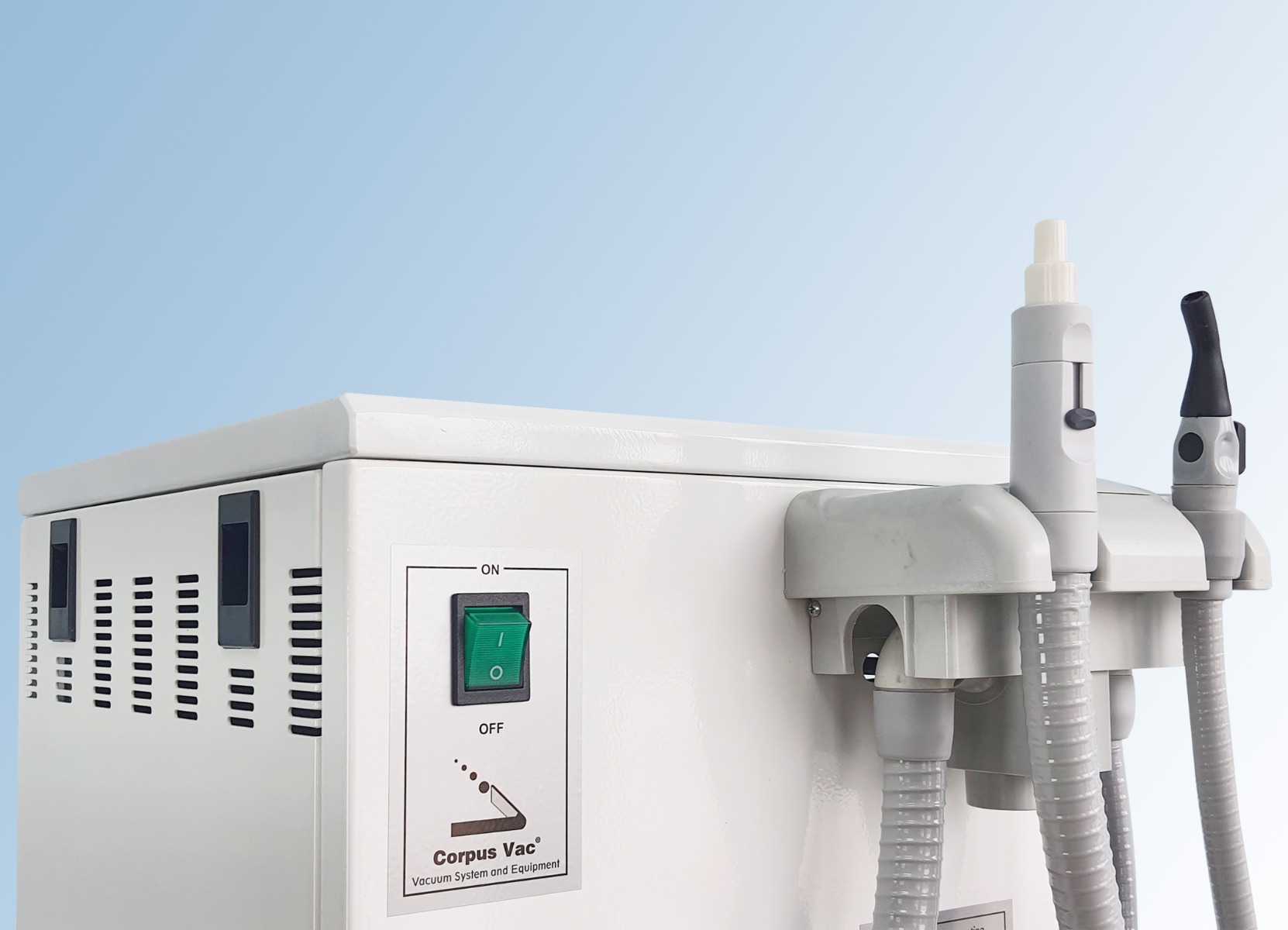
Dental suction systems are essential to the smooth operation of a dental practice.
Whether supporting routine dental procedures or more complex treatments, reliable suction helps the clinical team maintain an efficient working environment.
When a suction system develops a problem, the consequences can quickly affect the practice's daily schedule.
Reduced suction performance, unusual noises or unexpected equipment failures may lead to disrupted appointments and unplanned downtime.
Recognising the early warning signs of dental suction problems can help practices arrange professional maintenance before faults become more serious.
Why Reliable Dental Suction Matters
Dental suction equipment is used throughout the working day to remove fluids and debris during treatment.
Depending on the practice and system configuration, multiple surgeries may rely on a central suction unit.
A problem affecting the suction system can therefore have consequences beyond an individual treatment room.
Reliable equipment helps dental teams work efficiently and reduces the risk of interruptions during appointments.
This makes regular maintenance and early fault identification particularly important.
1. Weak or Reduced Dental Suction
One of the most noticeable signs of a suction system problem is reduced performance.
The system may appear to be operating normally but provide less suction than expected.
Potential causes can include restrictions within the system, filters requiring attention, deteriorating components or other equipment-specific faults.
The exact cause depends on the suction system's design and condition.
If suction performance does not return to normal following permitted routine checks, a qualified dental engineer should assess the equipment.
2. Unusual Noises During Operation
Dental suction systems produce normal operating sounds, but significant changes should not be ignored.
Unexpected rattling, grinding or excessive vibration can sometimes indicate a developing mechanical problem.
Practice staff should record when the noise occurs and whether it is accompanied by reduced performance.
This information can help the engineer investigating the fault.
Technical repairs should be left to appropriately qualified personnel.
3. Intermittent Suction Performance
A suction system that works correctly one moment and loses performance the next can be particularly disruptive.
Intermittent problems may involve control components, electrical systems or other factors specific to the equipment.
Because these faults can be difficult to predict, practices should report them promptly.
Recording the circumstances in which the problem occurs can help support professional diagnosis.
4. Frequent Blockages
Repeated suction blockages can indicate that routine care or professional maintenance requires attention.
Dental practices should follow the manufacturer's recommended cleaning procedures and use approved products where specified.
Staff should understand which routine tasks they are trained and authorised to carry out.
If blockages continue despite appropriate routine care, professional inspection may be necessary.
5. Unexpected Shutdowns
A suction system that stops unexpectedly can create immediate operational difficulties.
Depending on the equipment, unexpected shutdowns may involve electrical, mechanical or protective systems.
Repeated shutdowns should never be treated as normal operation.
The system should be assessed by a qualified engineer before being returned to use where safety or reliability is in doubt.
How Regular Servicing Helps Prevent Suction Problems
Preventative servicing can help identify developing issues before they lead to equipment failure.
Depending on the manufacturer and system type, a professional service may involve assessing operating performance, inspecting relevant components and identifying signs of wear.
Regular servicing can help practices plan maintenance more effectively and reduce the risk of avoidable disruption.
The appropriate servicing schedule should always be based on manufacturer guidance and the practice's equipment requirements.
Why Dental Engineers Are Essential
Dental suction systems are specialist pieces of equipment.
Professional dental engineers have the technical knowledge needed to assess faults, identify compatible components and carry out appropriate repairs.
Attempting complex mechanical or electrical repairs without the necessary expertise can create safety risks and may cause additional equipment damage.
Working with qualified engineers helps practices maintain equipment responsibly.
Dental Warehouse: Supporting the Professionals Behind Dental Equipment
At Dental Warehouse, we recognise the important role dental engineers play in maintaining suction equipment across UK dental practices.
Our business focuses on supplying specialist dental equipment and replacement parts to the professional engineering trade.
By supporting engineers with access to relevant components, we contribute to the wider network that keeps dental practices operating.
Keep Your Dental Practice Running Smoothly
Dental suction problems can begin with small changes in performance.
Recognising these warning signs and arranging timely professional attention can help practices manage equipment more effectively.
Reliable suction is an essential part of everyday dentistry, making preventative maintenance an important investment.
For dental engineers: Explore specialist dental equipment and replacement parts at Dental Warehouse.
For dental practices: Visit iDentalOnline for dental products available through online ordering.

Share on Facebook

Share on X

Share on Pinterest
Comment(s)
Recent Posts